

Piezoceramics are functional electronic ceramics based on electromechanical coupling effects, capable of converting mechanical force and electric fields into each other. They are key materials used in fields such as ultrasonics, energy harvesting, and actuators. Common piezoelectric materials include polymer-based piezoelectric materials and ceramic piezoelectric materials. Among them, ceramic piezoelectric materials occupy a significant market share due to their low cost, mature manufacturing processes, and stable performance. Barium titanate (BaTiO₃) ceramics, in particular, have been widely studied because of their high dielectric constant, favorable piezoelectric coefficient, and good electromechanical coupling coefficient, making them one of the most promising lead-free piezoceramics with strong commercial potential.
Ceramics are characterized by high hardness and brittleness, which makes the fabrication of complex-shaped ceramic components challenging. Traditional ceramic forming methods such as injection molding and mechanical machining are costly, limited in processing accuracy and achievable geometries, and often introduce intrinsic defects. Three-dimensional printing, also known as additive manufacturing, is a modern industrial manufacturing technology integrating computer-aided design, numerical control, laser technology, and polymer materials. By constructing objects layer by layer through point-to-line, line-to-surface, and surface-to-volume processes, 3D printing offers advantages including high material utilization, reduced waste, mold-free production, improved efficiency, and significantly lower costs. In addition, 3D printing enables the fabrication of objects with complex geometries, variable shapes, and adjustable dimensions.
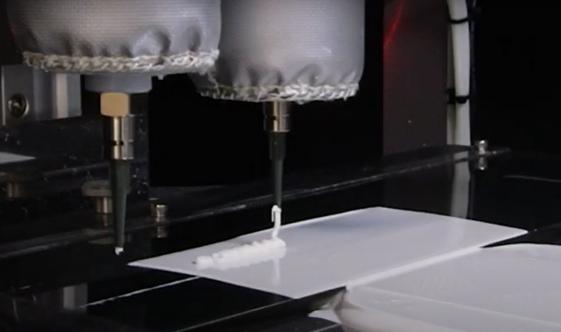
Figure 1. Ceramic 3D Printing
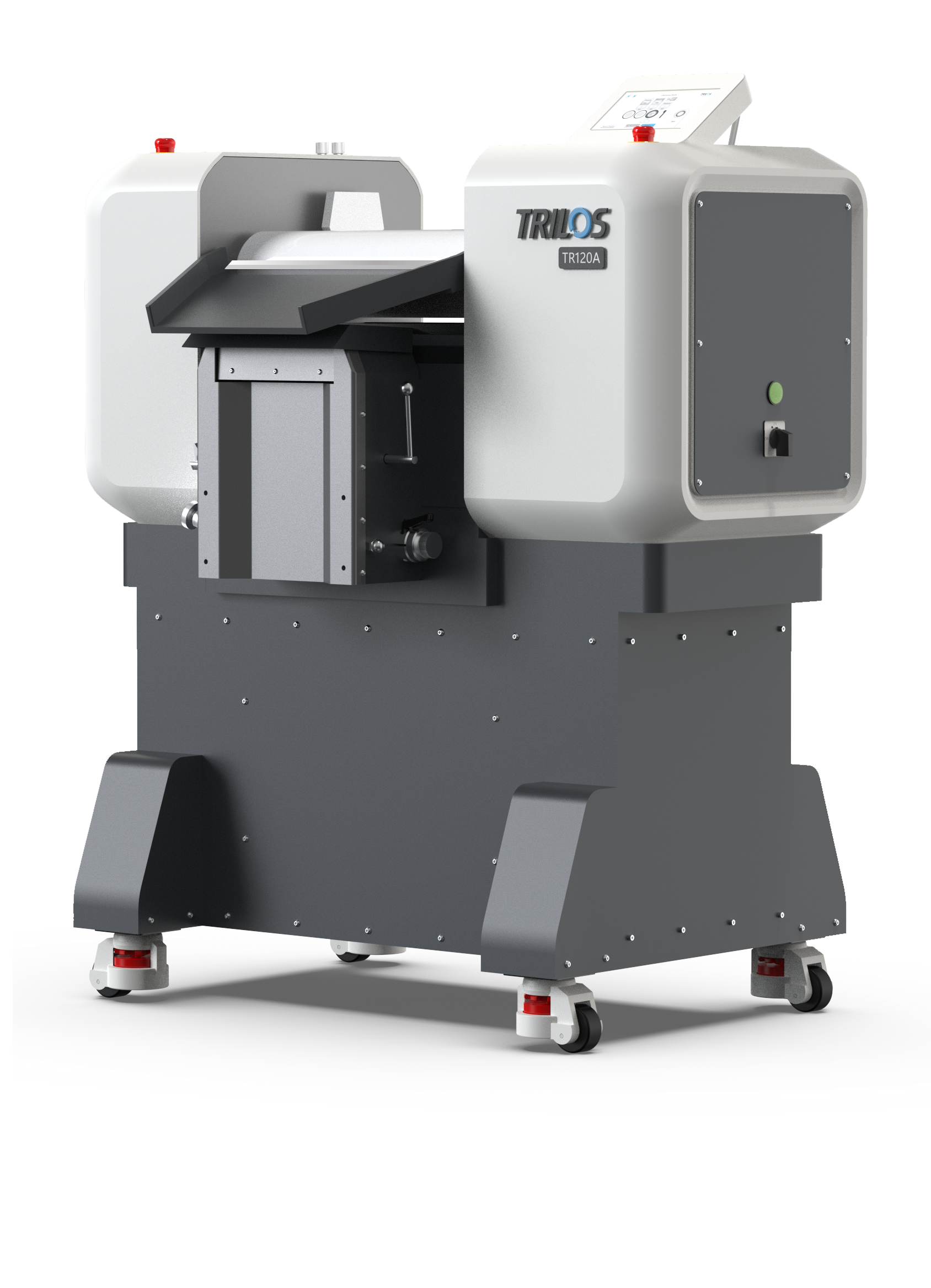
In recent years, 3D printing has become a highly effective technique for producing small-sized, high-precision, complex-shaped piezoceramics. However, when a large amount of ceramic powder is added to a photosensitive resin system, particle agglomeration becomes inevitable due to electrostatic forces and van der Waals interactions. To address this issue, a method using a TRILOS three roll mill combined with a paste mixer was employed to achieve uniform dispersion of BaTiO₃ piezoelectric ceramic slurry. The primary function of the three roll mill is to overcome the cohesive forces within the slurry through pressure and shear, thereby achieving effective crushing and dispersion. The paste mixer operates by placing the sample in a high-speed rotating container with a combined planetary and centrifugal motion, which effectively removes submicron-sized air bubbles from the slurry.
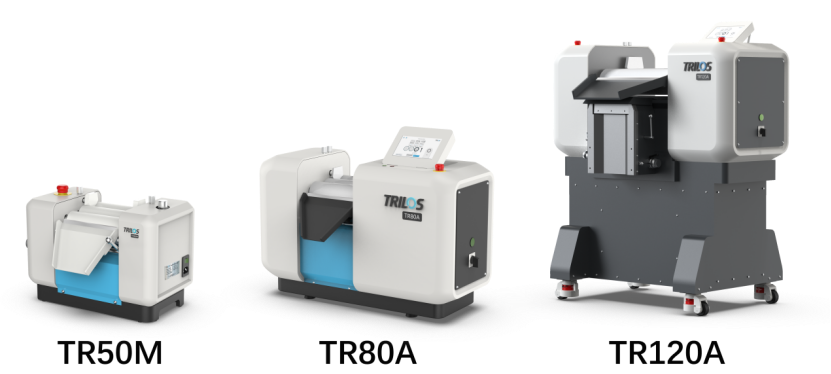
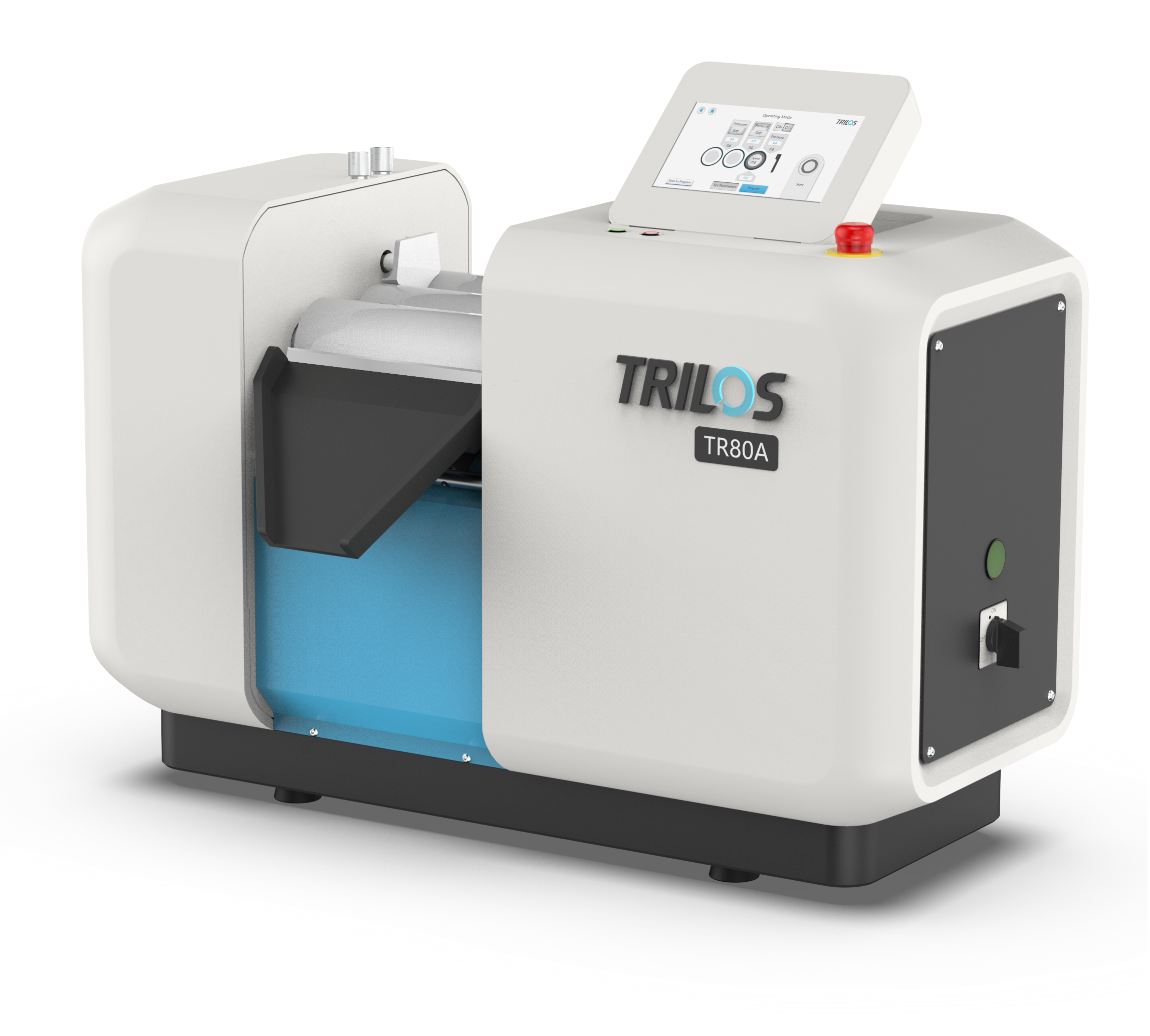
TRILOS TR80A three roll mill is a pilot-scale model. Its processing capacity, ranging from as low as 0.02 L/hour to as high as 20 L/hour, effectively bridges the transition from laboratory-scale testing to small and medium-scale pilot production. Its highly innovative design results in a compact and space-saving structure suitable for benchtop laboratory use. A user-friendly human–machine interface is realized through a fully touch-controlled industrial display. Unique features such as online gap correction and recipe management significantly simplify operation, allowing users to control the equipment interactively rather than dealing with a rigid, conventional machine interface.
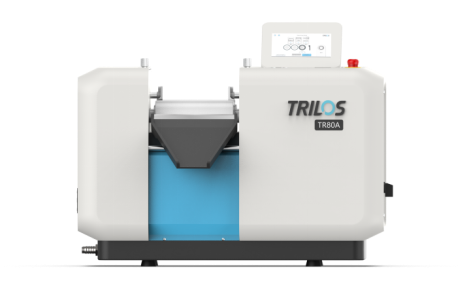
Figure 2. TRILOS TR80A
Experimental Procedure
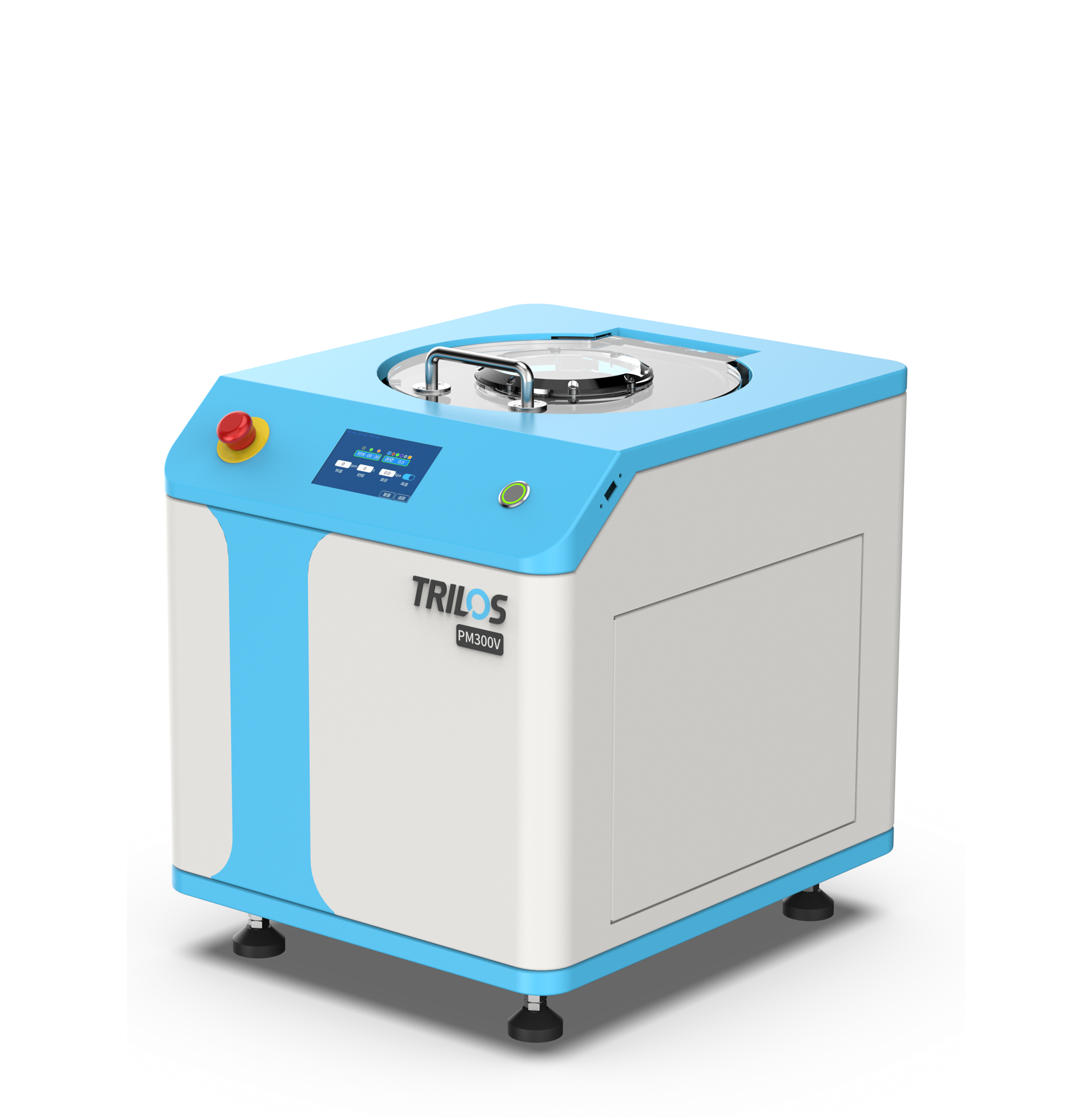
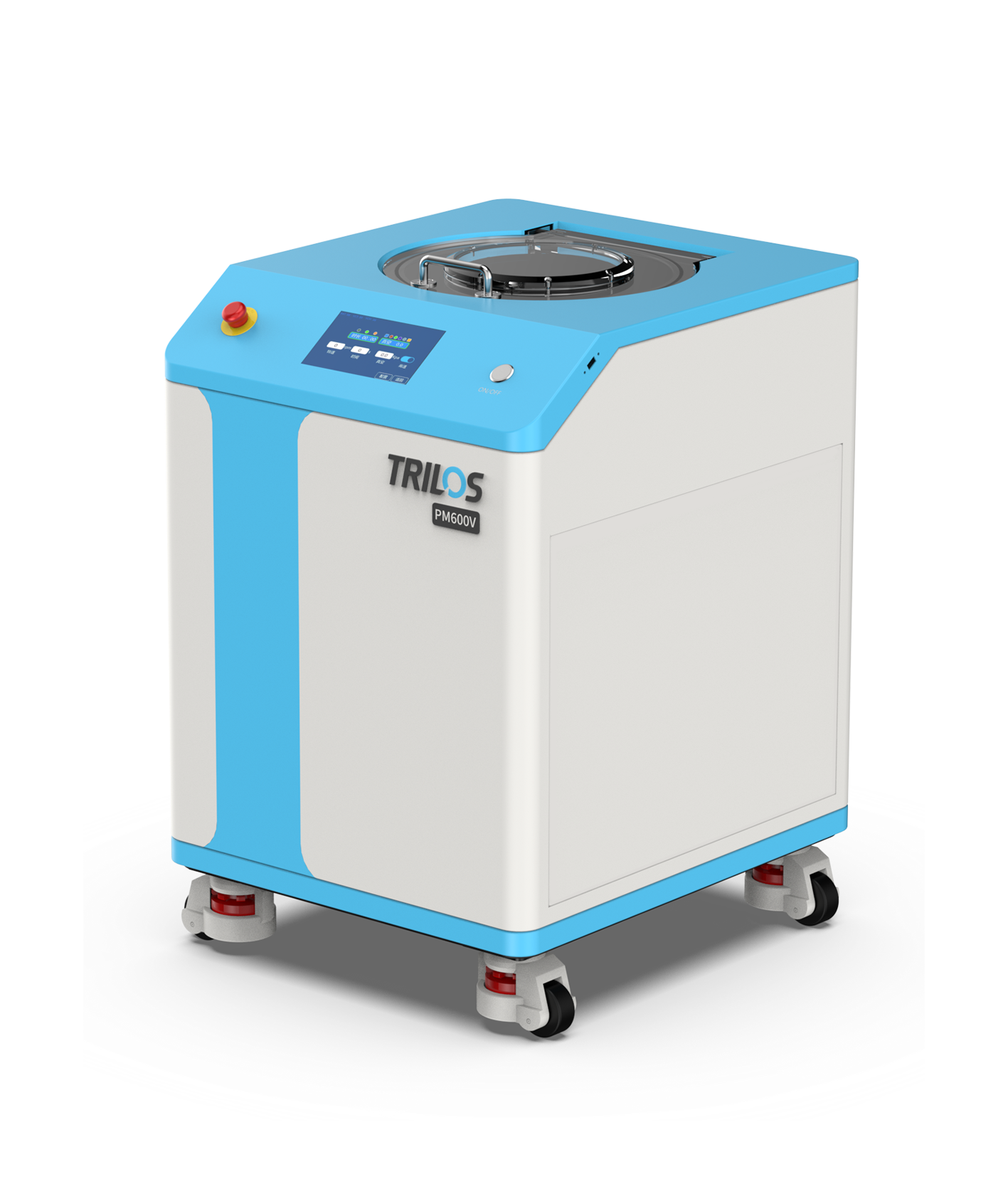
First, dispersants and photoinitiators were sequentially added to the photosensitive resin and dissolved uniformly using ultrasonic dispersion. Subsequently, BaTiO₃ powder was mixed with the resin, and the slurry was dispersed using the TRILOS TR80A three roll mill. A TRILOS PM300V paste mixer was then used to remove air bubbles within the slurry, thereby reducing internal defects in the printed green bodies. Finally, a DLP-based photocuring ceramic 3D printer was used to fabricate BaTiO₃ green bodies.
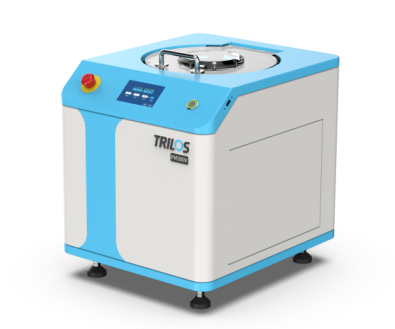
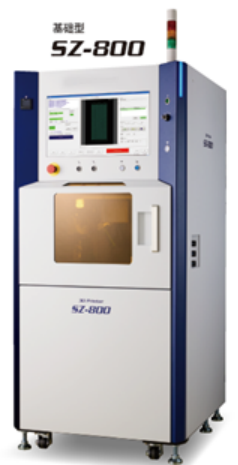
Figure 3. TRILOS PM300V (Up) & SZ-800 DLP Light-curing ceramic 3D printer (Down)
Results and Discussion
1. Morphology and Particle Size of BaTiO₃ Powder
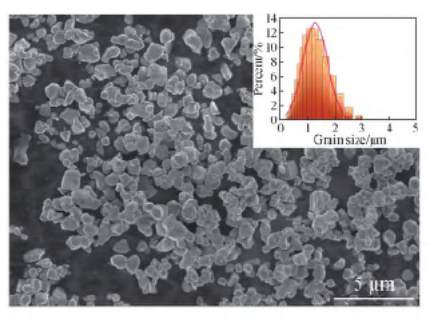
The SEM pic of the BaTiO₃ powder exhibits a typical granular structure. The particle size distribution follows a normal distribution with a median particle size (D50) of 1.1 μm. An appropriate particle size distribution is beneficial for improving the rheological properties of ceramic slurry, and well-distributed powder materials are a prerequisite for the fabrication of high-performance ceramics.
2. Microstructure of BaTiO₃ Ceramics
2D observations of the BaTiO₃ green bodies indicate that the cross-sections are intact and free from obvious defects such as cracks or pores, demonstrating successful printing. Grid intersection regions show good bonding without observable defects. Clear layered structures along the Z-axis are visible, which result from the layer-by-layer nature of 3D printing. The layers are tightly bonded, with no interlayer cracking or significant defects, and dimensional accuracy is well maintained.
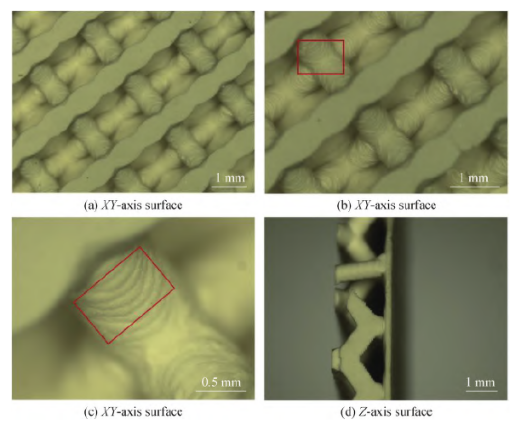
Figure 5. 2D photo of the BaTiO3 substrate
3. Phase Analysis of BaTiO₃ Ceramics
Phase analysis of BaTiO₃ ceramics sintered at 1270 °C was conducted using X-ray diffraction. The diffraction peaks exhibit high intensity, indicating good crystallinity. The diffraction pattern contains six characteristic perovskite-phase peaks with no detectable impurity phases.
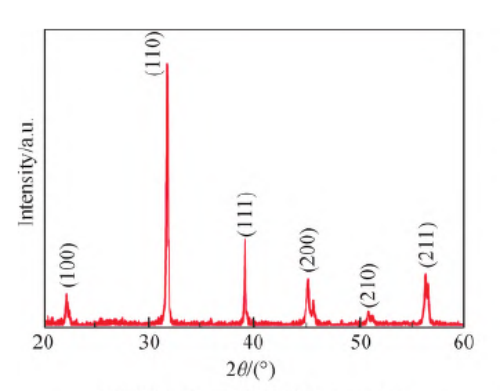
Figure 6. The XRD spectrum of BaTiO3 ceramic
4. Electrical Properties of BaTiO₃ Ceramics
BaTiO₃ ceramics exhibit excellent piezoelectric, dielectric, and ferroelectric properties. Electrical characterization shows a remanent polarization of 27.6 μC/cm², a coercive field of 4.6 kV/cm, a relative dielectric constant of 2512, a dielectric loss of 0.0091, a Curie temperature of 167 °C, and a piezoelectric coefficient of 182 pC/N. These results demonstrate that the combined use of the TRILOS three roll mill and paste mixer provides an efficient and stable method for preparing piezoelectric ceramic slurry for 3D printing, thereby significantly improving the quality and performance of printed ceramic components.
About TRILOS
TRILOS is a precision machinery manufacturer committed to customer satisfaction as its ultimate goal. The company strives to integrate advanced processing technologies with customers’ practical needs to design products that closely match application requirements.
TRILOS is actively expanding its global presence, and its products are now widely used in the United States, China, Europe, South Korea, Japan, and Taiwan.
Advantages of TRILOS three roll mills
1. TRILOS three roll mills employ a single-pass process that can potentially achieve complete homogenization and dispersion, reducing particle size and breaking up agglomerates. The resulting homogeneous slurry provides a solid foundation for subsequent processing.
2. The distance between each pair of rolls can be adjusted via a touchscreen interface, ensuring excellent roll parallelism. Elastically tensioned scraper holders maintain constant pressure without requiring readjustment during operation.
3. Rolls made from various materials are available, with options ranging from stainless steel to alumina, silicon carbide, and zirconia, meeting diverse application requirements.
4. Integrated safety systems ensure operator protection, and the machine can be cleaned easily and very quickly.
5. TRILOS’s IoT-enabled intelligent three roll mill solution addresses issues such as non-quantifiable data, data loss, isolated equipment, and lack of networked management. The system enables data analysis, user permission management, and full process recording and backup, supporting process optimization and R&D. In addition, the intelligent platform can integrate mixers, three roll mills, feeders, homogenizers, and online instruments such as viscometers, particle size analyzers, and near-infrared analyzers for real-time monitoring.