

Structural adhesives are high-strength adhesives used for structural materials. They have high impact strength as well as high peel, flexural, and fatigue strengths. In recent years, the demand for structural adhesives in the automotive, aerospace, and marine industries has been increasing. Among them, epoxy resin has strong adhesion, small shrinkage, and high thermal and chemical resistance, and is usually used as a structural adhesive. However, in order to expand its application, its impact performance needs to be improved.
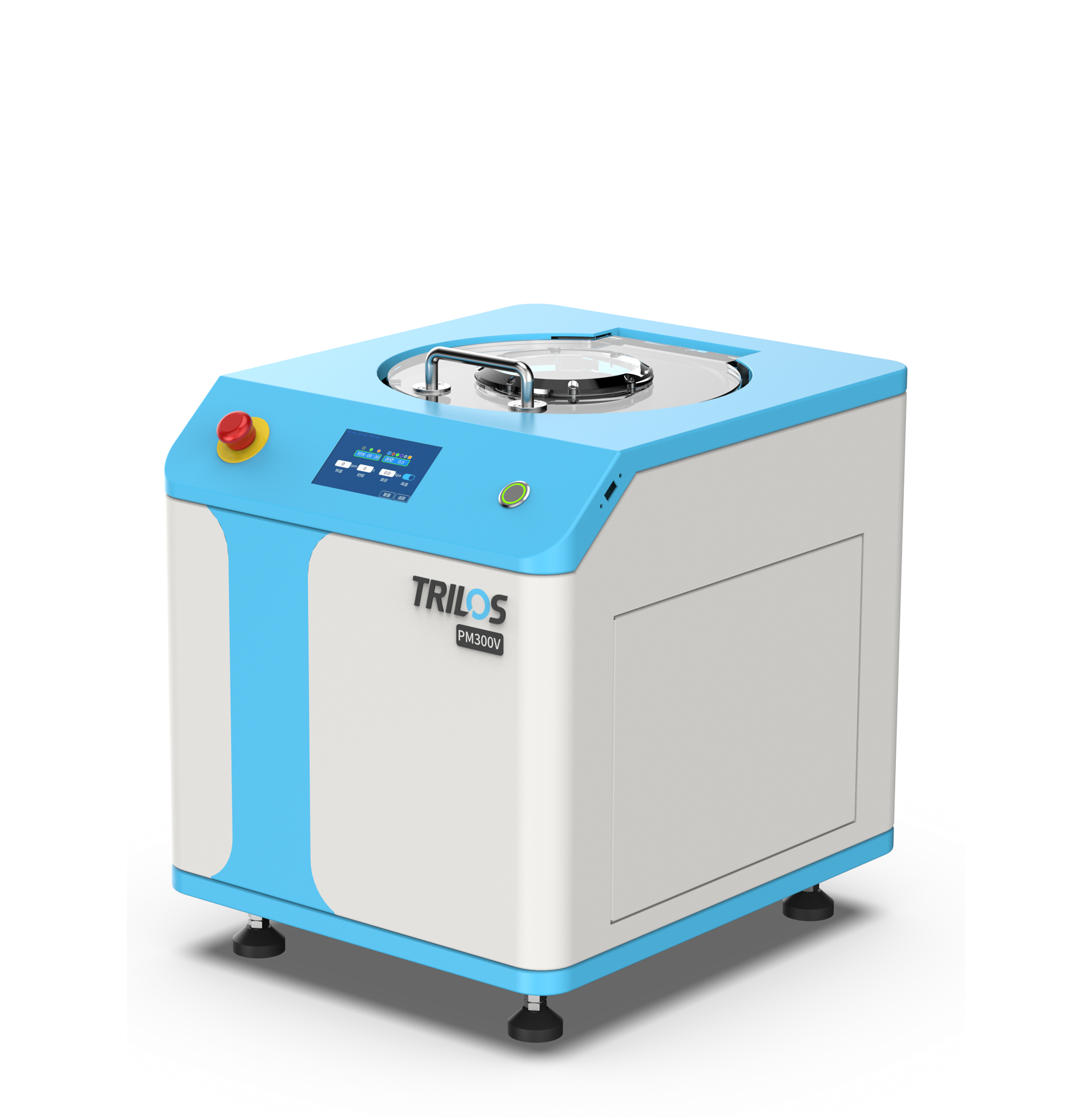
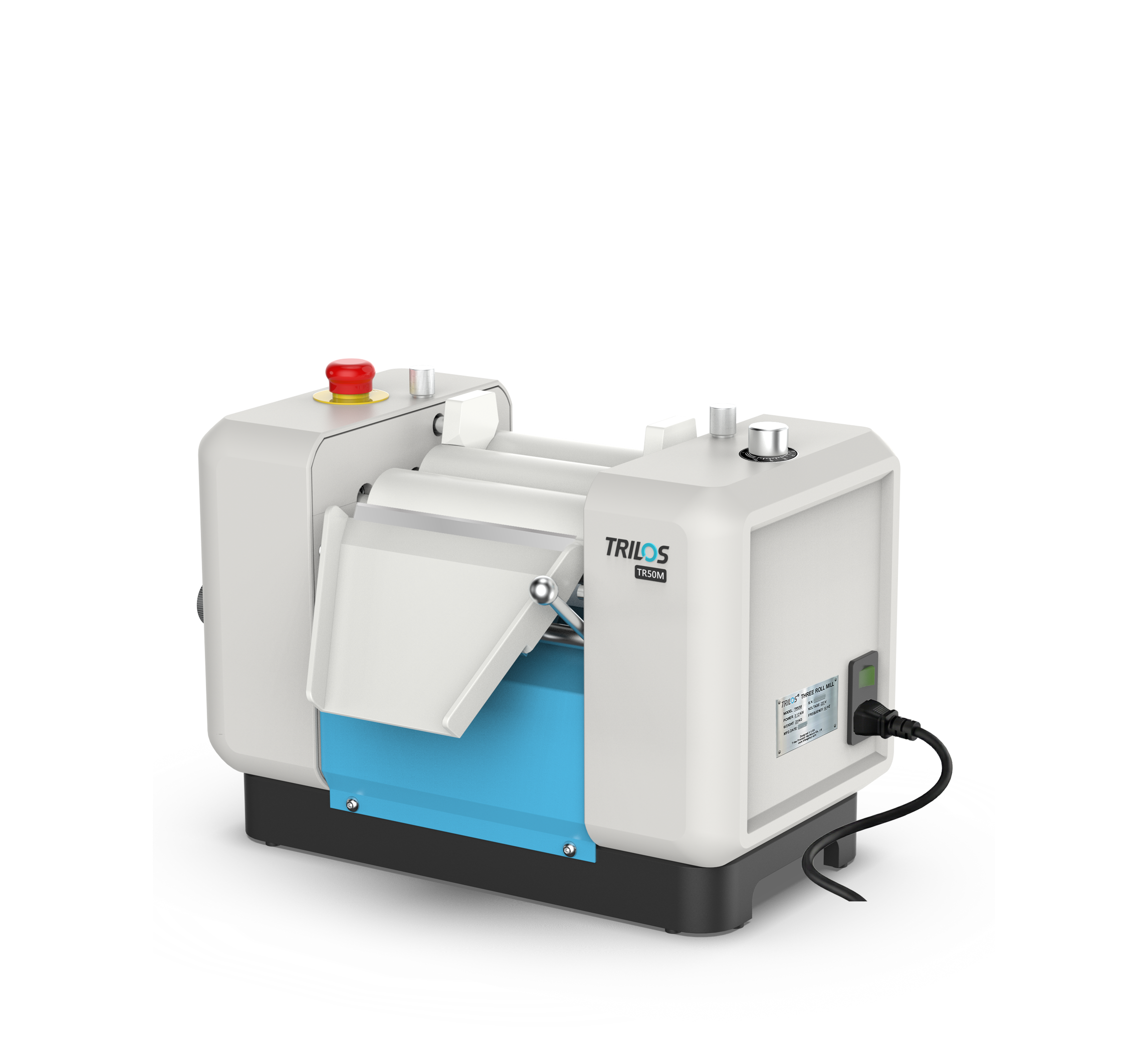
Various studies have shown that adding toughening agents can overcome the brittleness of epoxy resin. However, excessive addition of organic nitrile-based liquid will reduce the glass transition temperature (Tg) and other mechanical properties. Therefore, inorganic fillers such as glass beads, alumina, and silica are used as hard toughening agents, which can reduce the decrease in Tg. Among many inorganic fillers, silica nanoparticles can reinforce the polymer matrix to reduce curing shrinkage and coefficient of thermal expansion and improve the adhesion, wear resistance, and corrosion resistance of the polymer matrix. However, due to the high surface energy of nanoparticles, they are extremely prone to agglomeration, and equipment such as mixers cannot solve the dispersion problem of nanoparticles in epoxy resin. We used TRILOS TR50M three roll mill and TRILOS PM300V paste mixer to prepare silica-modified epoxy resin and tested the fracture toughness and crosslinking density to study the effects of different silica surface groups on fracture toughness and high-energy impact performance.
Preparation of Silica-Modified Epoxy Resin
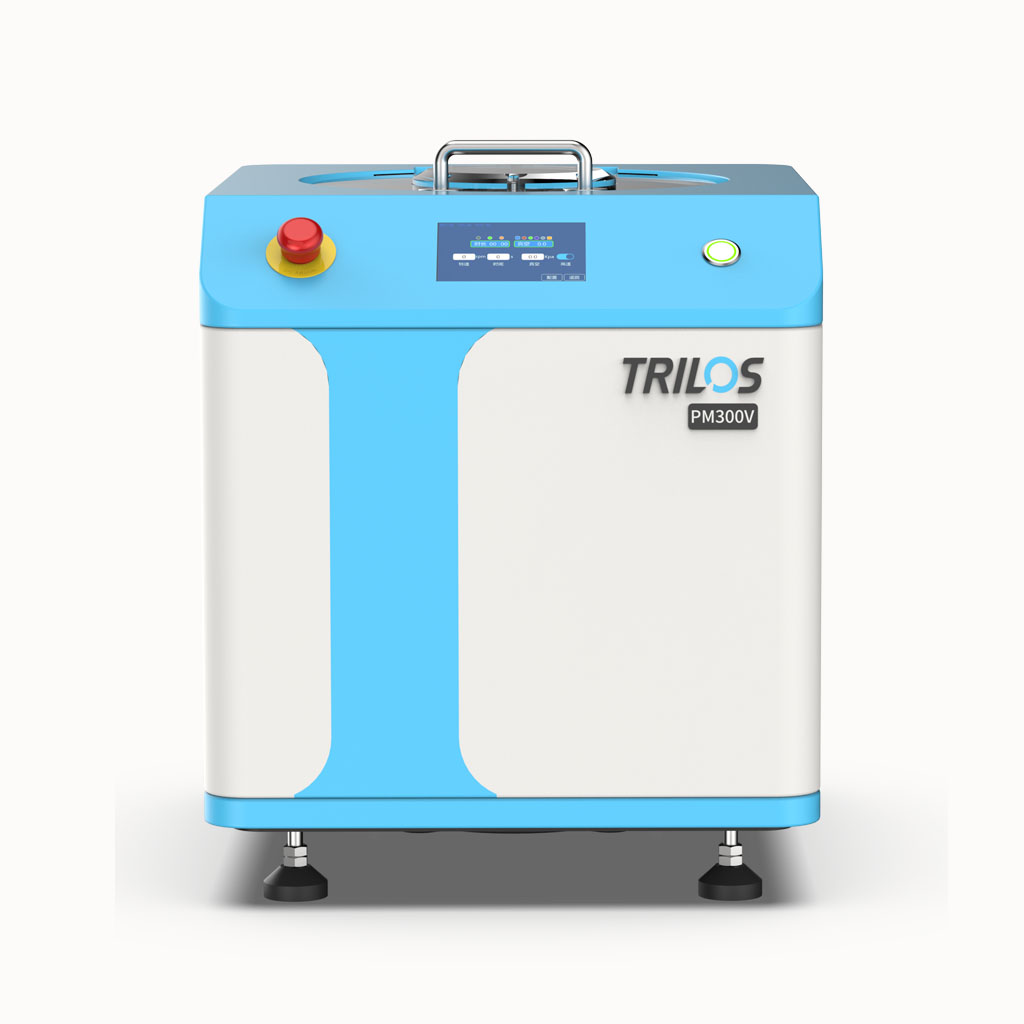
Put the silica nanoparticles and epoxy resin (YD-128) into TRILOS PM300V paste mixer and premix for 10 minutes, and then process them 3 times with TRILOS TR50M three roll mill. Then, add PTPU (DY-965) to the mixture and mix it in the paste mixer for 10 minutes. Continue to add DICY and accelerator and mix them in the paste mixer for 3 minutes. Then vacuum degas at 1.0 kPa for 3 minutes.
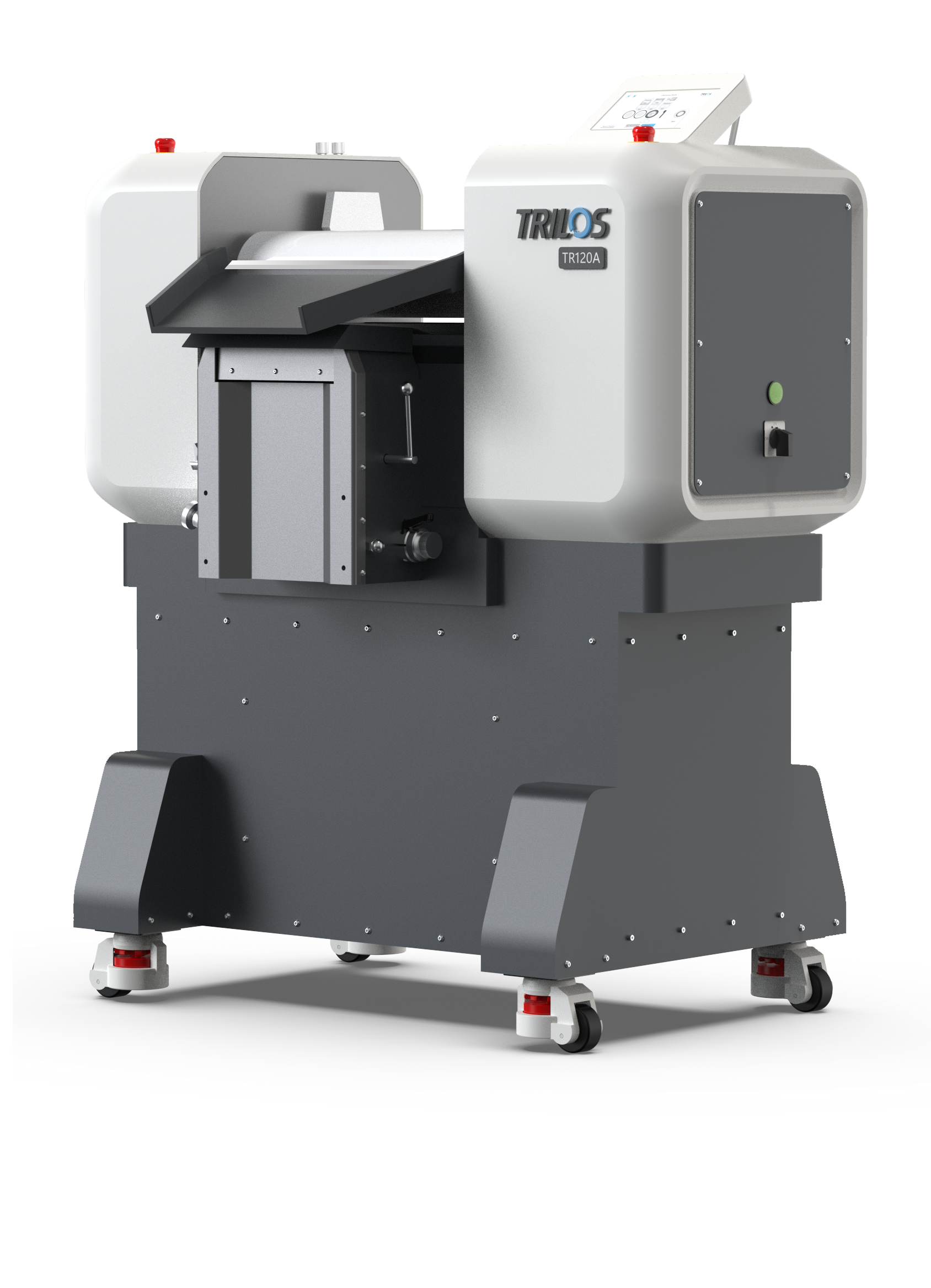
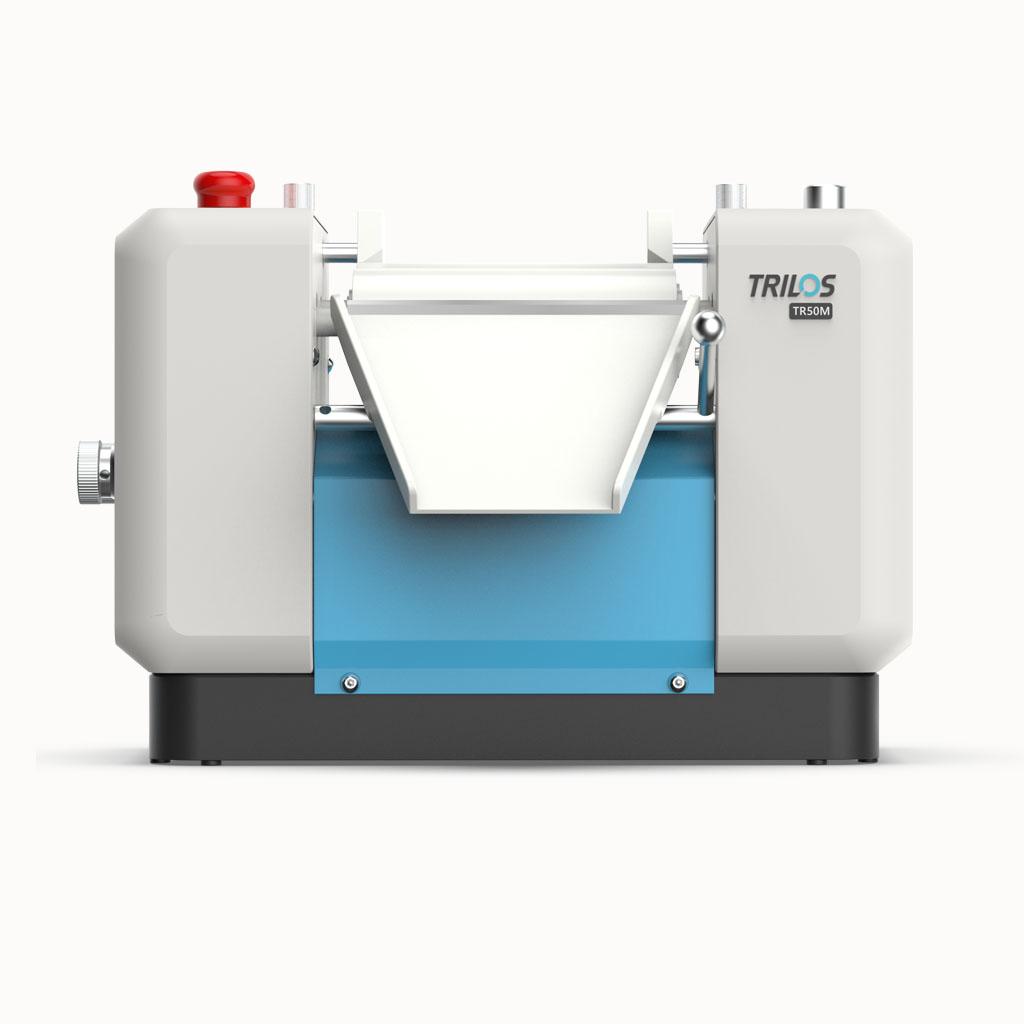
TRILOS TR50M three roll mill is a bench model three roll mill. It is a small grinding equipment developed for customers with relatively small processing volume and relatively low precision requirements. It has a simple structural design, small size, light weight, adopts stepless speed control to regulate the flow rate, and adjusts the spacing mechanically. During the operation of the three roll mill, there is no material leakage, the discharge is uniform, the parallelism of the rolls is good, and it does not need reposition.
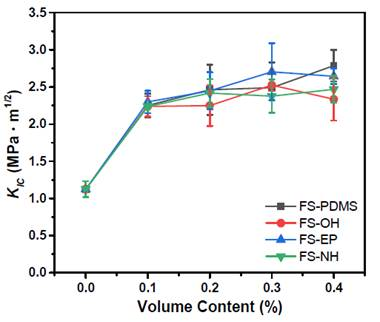
The following figure shows the type I fracture toughness (KIC) of silica-modified epoxy resin. Compared with the unmodified material, adding silica nanoparticles can increase the fracture toughness of epoxy resin. In addition, silica nanoparticles with reactive functional groups can also improve the high-energy impact resistance, Tg, and crosslinking density of epoxy resin.
Summary
TRILOS TR50M three roll mill and PM300V paste mixer can be used for the preparation of silica-modified epoxy resin. The fracture toughness, high-energy impact resistance, and crosslinking density of the dispersed materials have all been significantly improved.
Introduction of TRILOS
TRILOS is an American manufacturer. They regard customer satisfaction as the ultimate goal and strive to combine technology with customer’s demands in order to design high-quality products which are the best for them.
TRILOS is actively expanding the market and sharing high-quality products with users. Nowadays, their products have been widely sold in the United States, China, Europe, South Korea, Japan, and Taiwan.
Advantages of TRILOS three roll mill:
① TRILOS three roll mill can attain homogenization and dispersion of substances completely in one cycle, reduce particle size, and break up agglomerated particles. The result is a homogenized slurry, which lays a foundation for further processing of materials.
② The distance between each roll can be adjusted by a touchscreen to ensure the parallelism of the rolls. The scraper holder ensures that the scraper is under constant pressure and does not need to be readjusted during the operation process.
③ Different materials for rolls are available. The selection of roll and scraper materials - from stainless steel to alumina, silicon carbide, and zirconia - meets a variety of demands.
④ The safety device on the mill ensure the safety of operators, and the machine can be cleaned easily and quickly.
⑤ TRILOS Internet of Things (IoT) system resolves the problems encountered by customers as they are using such as they cannot do quantitative analysis, facing data loss, equipment are independent and unable to manage and control online and etc. IoT allows customers to analyze equipment data, assign and manage employee permissions, record and back up the entire process of equipment operation, which is beneficial to the research and design and development of processing process parameters. In addition, the IoT platform can also access the platforms of mixers, three roll mills, feeders, dispersers, etc., and can also access online viscometers, online particle size analyzers, online near-infrared analyzers and other instruments for real-time monitoring.