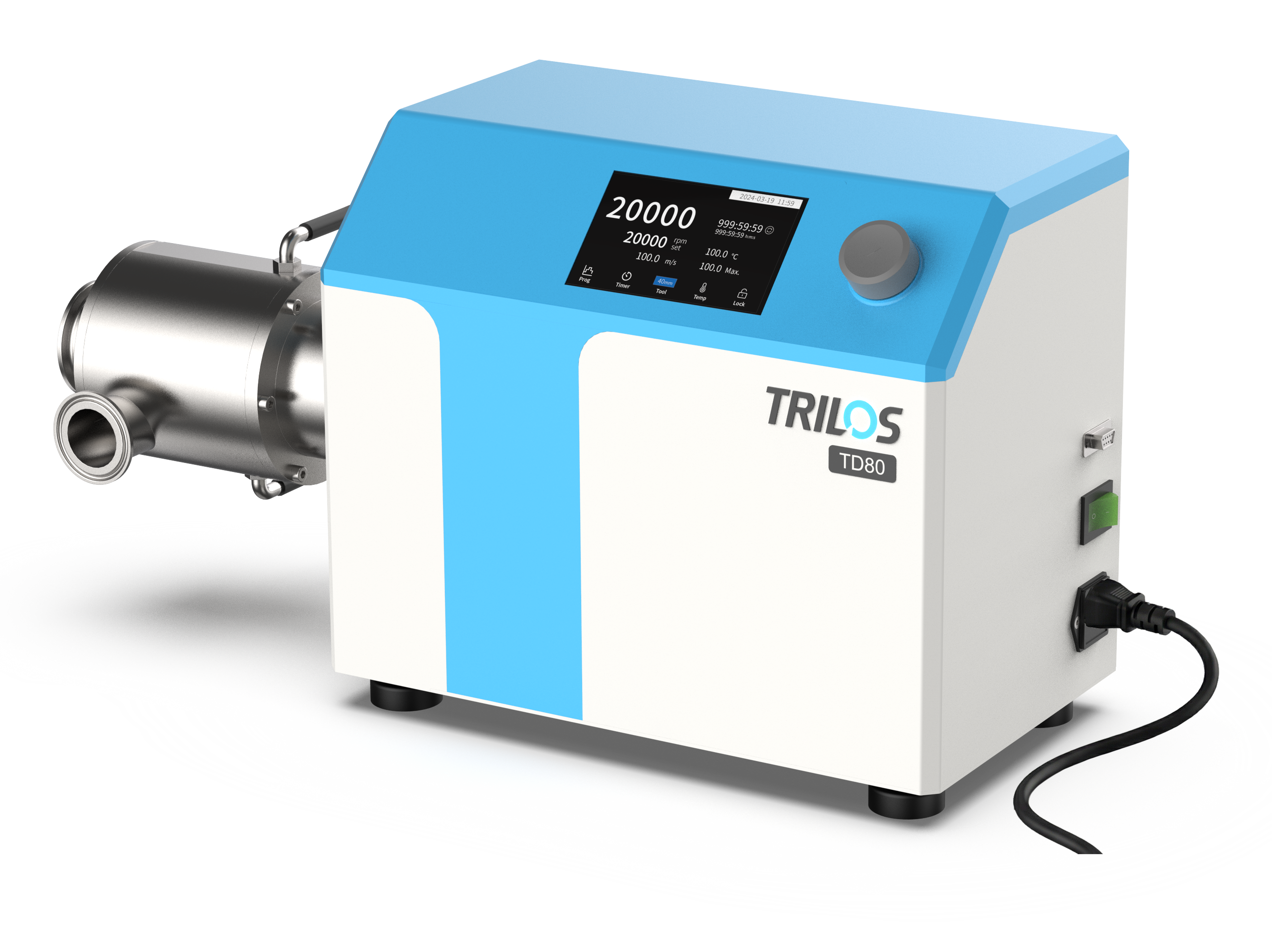


Keywords: Inline continuous disperser, CNT slurry, graphene slurry, slurry dispersion
With the rapid development of new energy, electronic information, and advanced composite materials, nanocarbon materials such as CNTs and graphene have become core materials driving technological innovation in the materials field due to their outstanding mechanical, electrical, and thermal properties. However, strong van der Waals forces exist between CNTs and graphene sheets, making them highly prone to agglomeration. This significantly hinders their uniform dispersion in slurry systems and severely limits the full realization of their material performance. Therefore, achieving efficient and stable dispersion of CNT/graphene slurry has become a critical prerequisite for their industrial application.
In the preparation process of CNT/graphene slurry, pre-dispersion equipment serves as a key upstream unit linking powdered raw materials with subsequent fine dispersion processes. It preliminarily breaks down large agglomerates formed by van der Waals forces, preventing direct entry into fine dispersion equipment that could otherwise cause chamber blockage or excessive component wear. At the same time, it ensures uniform wetting of powder particles in the dispersion medium, thereby improving the efficiency and uniformity of subsequent fine dispersion.
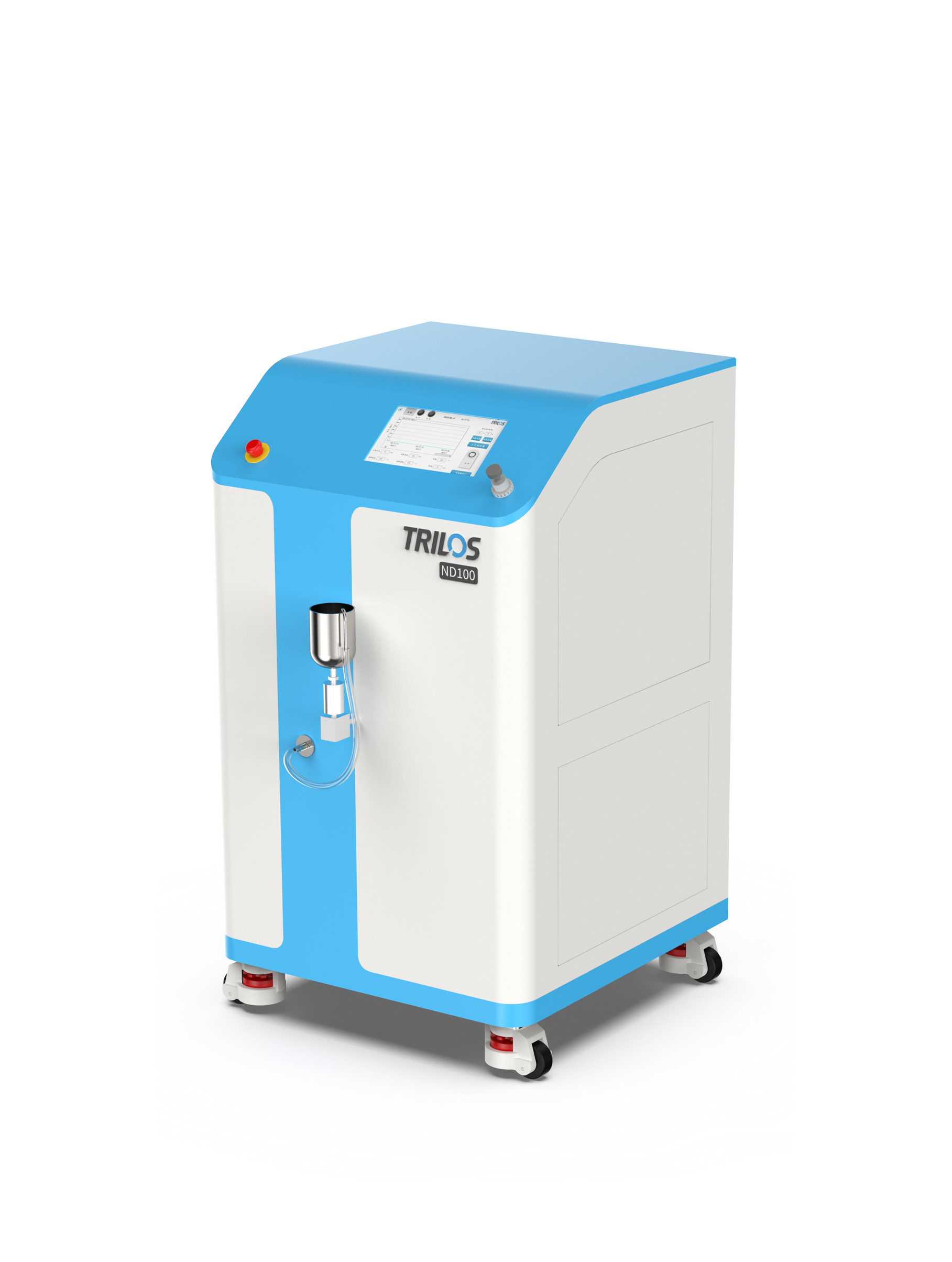
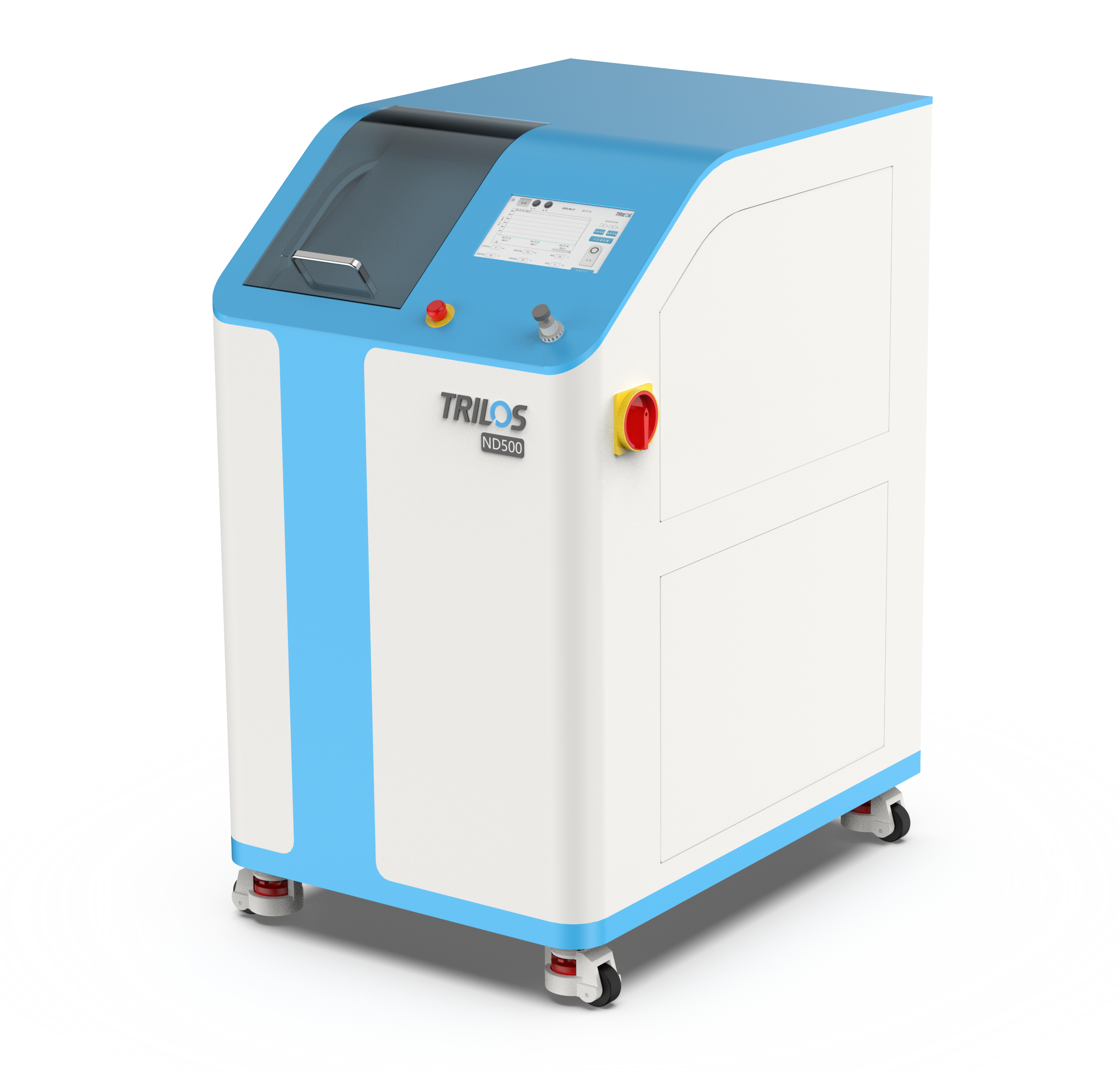
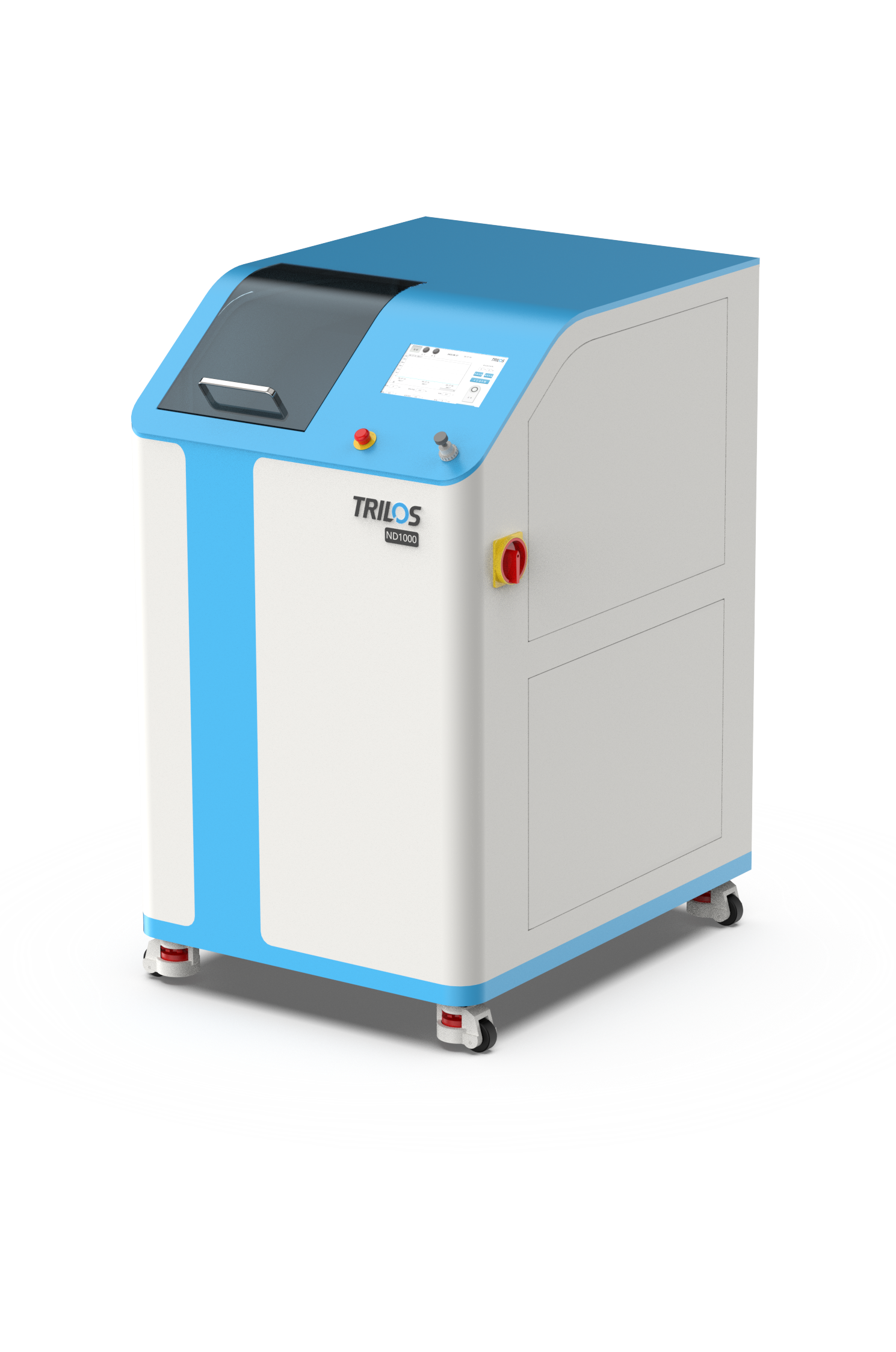
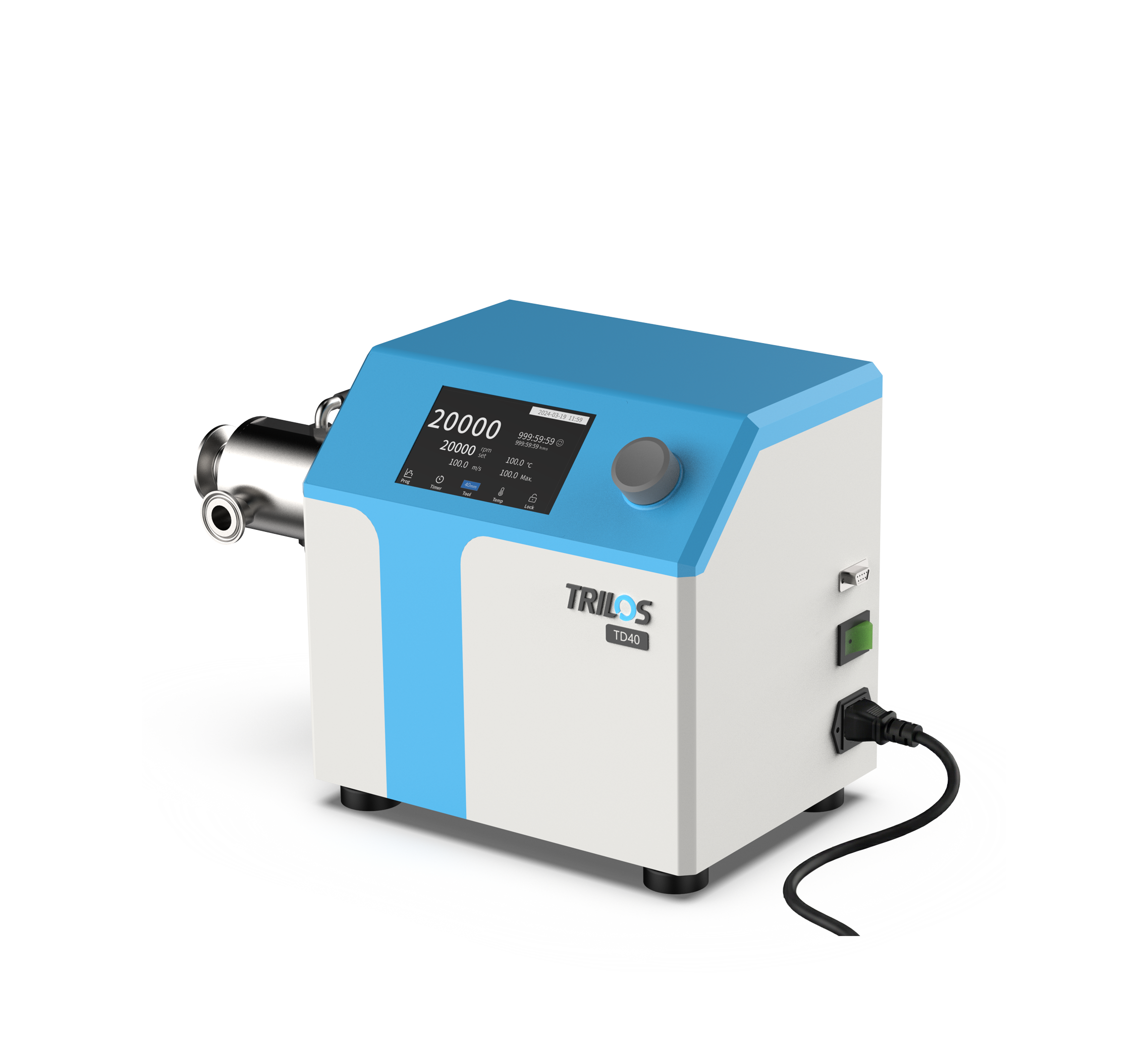
Conventional pre-dispersion equipment such as high-speed mixers, ball mills, and sand mills often suffer from insufficient shear force, low dispersion efficiency, and poor dispersion uniformity when processing CNT/graphene slurry. In contrast, TRILOS Inline Continuous Disperser demonstrates significant advantages in nanomaterial slurry dispersion due to its unique dispersion mechanism and superior equipment performance.
1. Working Principle and Advantages of the TRILOS Inline Continuous Disperser
Working Principle
TRILOS Inline Continuous Disperser mainly consists of a high-speed rotating rotor and a stationary stator. During operation, the material enters the central region of the rotor through the inlet. As the rotor rotates at extremely high speeds, up to 25,000 rpm, the material is subjected to strong centrifugal forces and rapidly thrown toward the stator. Within the extremely narrow gap between the rotor and stator, the material undergoes intense shear, friction, impact, and cavitation effects.
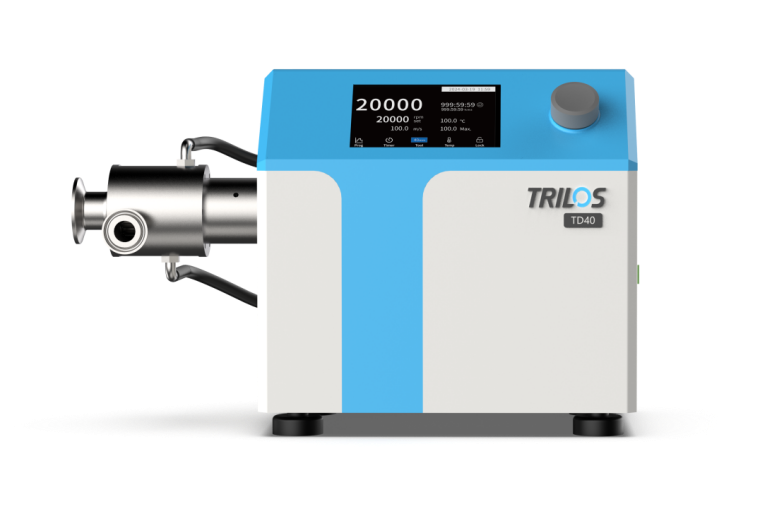
For example, the toothed structures on the rotor interact precisely with corresponding stator structures, repeatedly shearing the material like countless microscopic scissors, rapidly breaking down agglomerated particles. Meanwhile, cavitation effects generated by high-speed rotation create alternating high- and low-pressure microenvironments, further fragmenting particles and promoting dispersion. The processed material is discharged through the stator outlet, completing one homogenization cycle. For finer dispersion, a circulation system can be employed to allow multiple passes through the rotor–stator gap.
Advantages over Traditional Dispersion Equipment
1) High-intensity dispersion with efficient deagglomeration
The specially designed rotor–stator structure generates strong shear, centrifugal, and impact forces during high-speed rotation, while localized negative pressure regions induce cavitation effects. Shear forces directly act on CNT bundles and graphene stacks, achieving physical separation. The energy released by the collapse of cavitation microbubbles further assists in breaking residual agglomerates, ensuring thorough dispersion. Compared with conventional equipment, dispersion intensity is significantly enhanced.
2) Continuous operation suitable for industrial production
Operating in an inline continuous mode, the slurry flows continuously through the dispersion unit and is discharged immediately after processing, eliminating waiting times associated with batch operations. Throughput can be flexibly adjusted according to production requirements, ranging from tens to hundreds of liters per hour, making it highly compatible with continuous industrial production lines. Continuous processing also avoids batch-to-batch variation, ensuring consistent slurry quality.
3) Gentle dispersion environment preserving intrinsic material properties
By precisely controlling parameters such as rotor speed and linear velocity, effective dispersion can be achieved while minimizing heat generation. An external cooling system efficiently removes the small amount of heat produced, preventing oxidation or structural damage to CNTs and graphene caused by localized overheating. This effectively preserves the intrinsic properties of the materials. In addition, no mechanical impurities are introduced during processing, ensuring slurry purity.
4) Controllable parameters adaptable to diverse slurry systems
The equipment is compatible with both aqueous and organic solvent-based CNT/graphene slurry systems. By optimizing parameter combinations, customized dispersion solutions can be achieved for different slurry requirements, enhancing equipment versatility and applicability.
2. Application of the TRILOS Inline Continuous Disperser in CNT/Graphene Slurry
According to slurry formulation requirements, CNT/graphene powders, dispersants, and solvents (water or organic solvents) are added to a mixing tank at predetermined ratios. Low-speed stirring is applied to achieve preliminary mixing, ensuring uniform distribution of dispersants and forming a homogeneous suspension while preventing powder agglomeration and feed blockage. The key objective at this stage is to promote initial integration of powders and solvents, reducing the difficulty of subsequent dispersion.
The pre-mixed suspension is then transferred to the TRILOS Inline Continuous Disperser, where key operating parameters are set based on slurry characteristics. As the slurry enters the dispersion unit, agglomerates are progressively broken down under the combined action of shear forces and cavitation, resulting in a uniformly dispersed slurry. For slurry with higher dispersion difficulty, a circulation dispersion mode can be employed, allowing secondary processing to ensure adequate pre-dispersion.
Finally, the pre-dispersed slurry is fed into the TRILOS Ultra-highPpressure Nano Homogenizer for fine processing. Driven by ultra-high pressure, the material undergoes intense shear, impact, and cavitation effects generated by high-speed jetting within the homogenization chamber, further breaking residual micro-agglomerates down to the nanoscale. This process yields a high-quality slurry with uniform particle size, excellent dispersion, and stable performance.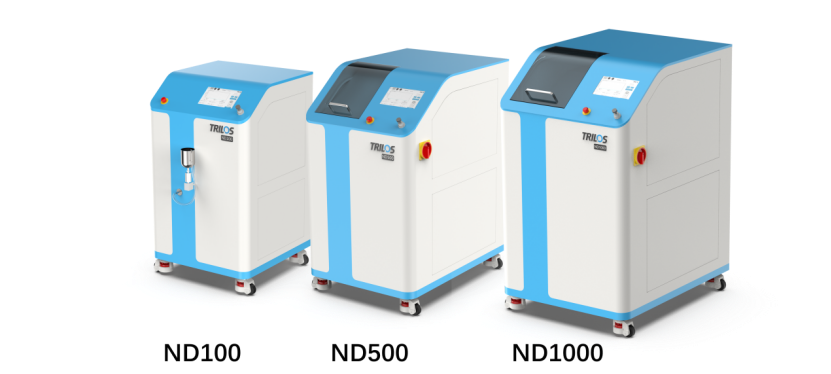
3. Performance Evaluation and Results
Testing results show that the average particle size of the processed CNT/graphene slurry is significantly reduced, with markedly improved dispersion uniformity. No obvious stratification or sedimentation is observed, indicating excellent stability. When applied to lithium-ion battery cathode material modification, the treated slurry leads to a noticeable increase in charge–discharge capacity and significantly enhanced cycling stability. Production validation further confirms that both product consistency and production efficiency fully meet industrial manufacturing requirements.
4. Conclusion
Centered on its outstanding pre-dispersion capability, the TRILOS Inline Continuous Disperser effectively addresses agglomeration challenges in CNT/graphene slurry by integrating high-intensity dispersion, continuous operation, and precise parameter control. Its pre-dispersion module rapidly breaks initial powder agglomerates, and subsequent fine processing using the TRILOS ultra-high pressure nano homogenizer achieves uniform and stable slurry dispersion. Application results demonstrate that this integrated solution significantly improves slurry quality and batch consistency, enhances product performance, reduces energy consumption, and supports large-scale industrial production, providing strong technical support for the industrial application of CNT, graphene, and other advanced slurry.