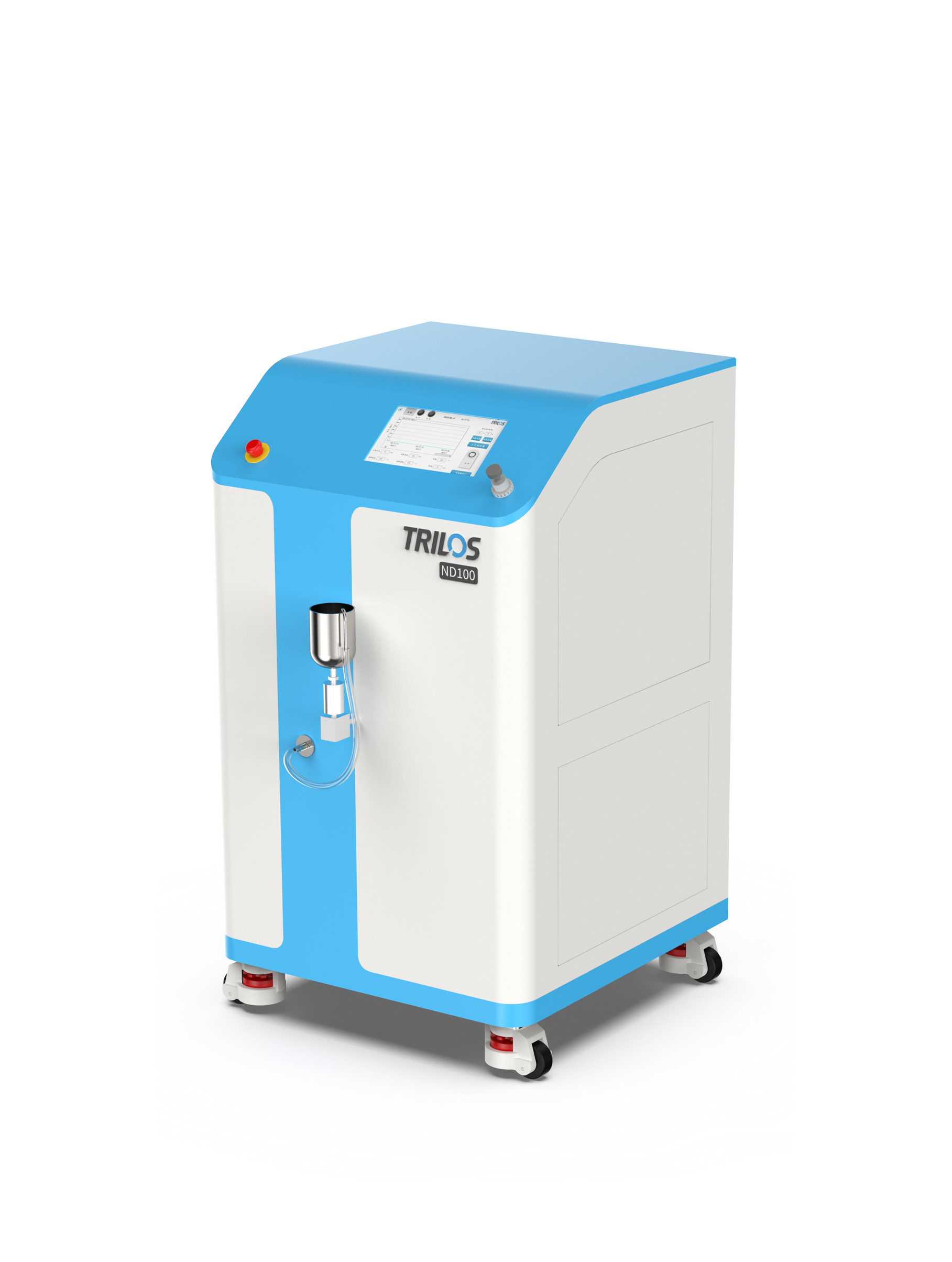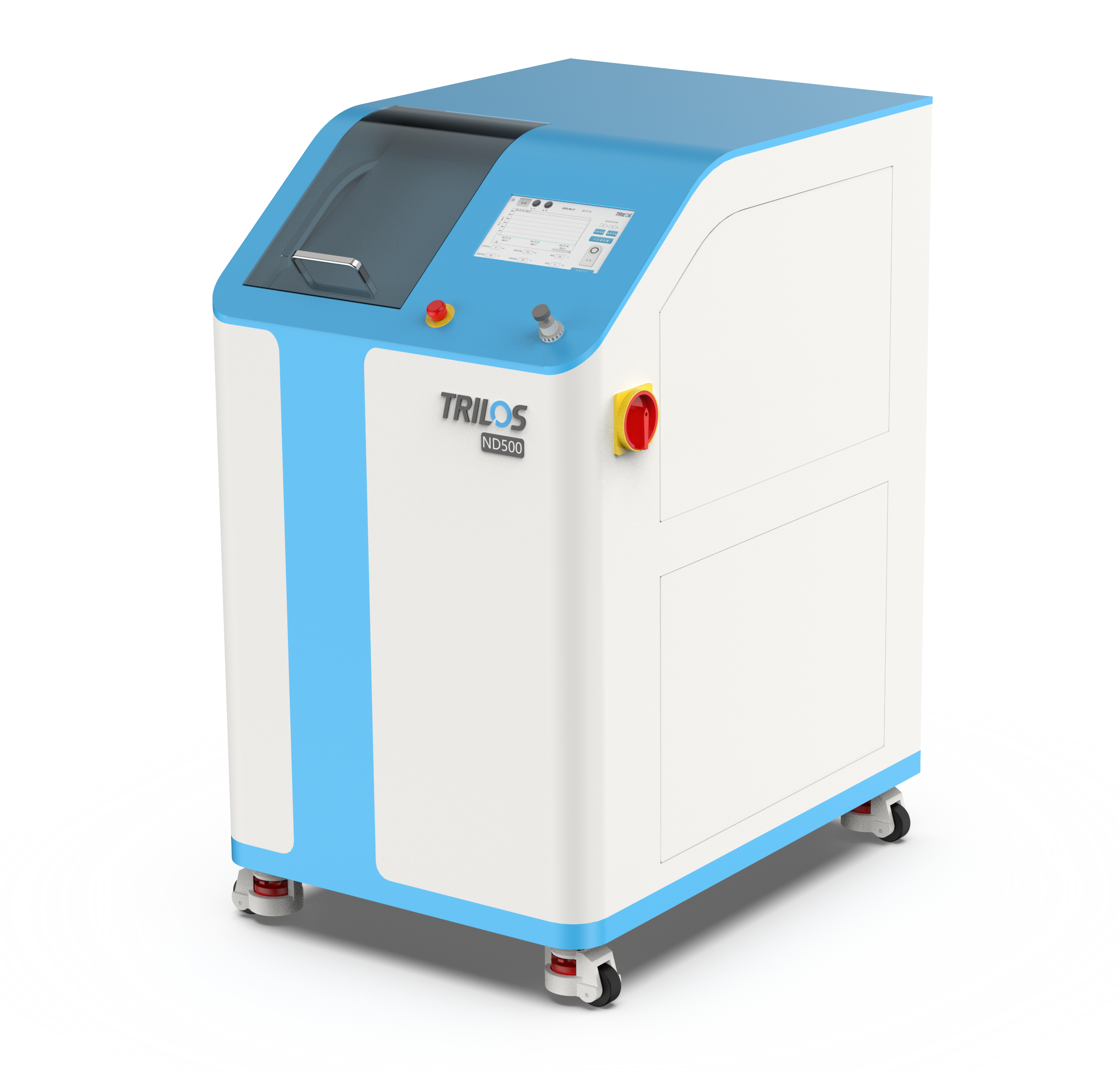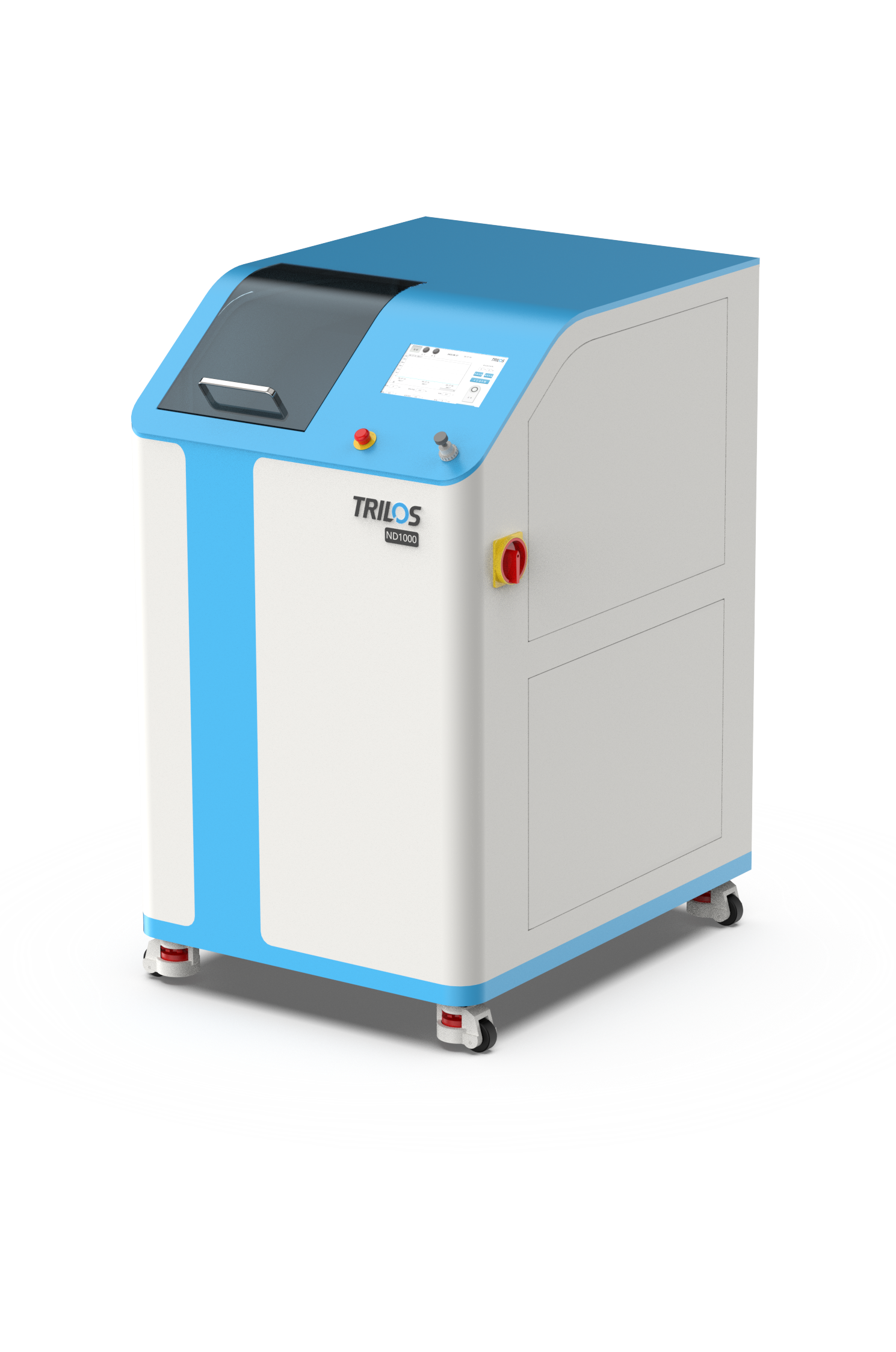


Hydrogen has the advantages of being carbon-free, highly efficient, capable of energy storage, and having rich application scenarios. The development of hydrogen energy is an important path for China's energy transformation. The large-scale utilization of hydrogen energy first requires solving the problem of large-scale hydrogen production. Solid oxide electrolysis cells (SOEC), as a new type of highly efficient energy conversion device (operating at 700 - 900°C), can convert the raw material H₂O into H₂ and O₂ through an electrochemical reaction process at high temperatures, achieving highly efficient conversion from electrical energy and thermal energy to chemical energy.
Hydrogen has the advantages of being carbon-free, highly efficient, capable of energy storage, and having rich application scenarios. The development of hydrogen energy is an important path for China's energy transformation. The large-scale utilization of hydrogen energy first requires solving the problem of large-scale hydrogen production. Solid oxide electrolysis cells (SOEC), as a new type of highly efficient energy conversion device (operating at 700 - 900°C), can convert the raw material H₂O into H₂ and O₂ through an electrochemical reaction process at high temperatures, achieving highly efficient conversion from electrical energy and thermal energy to chemical energy.
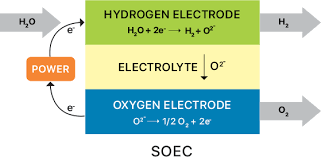
Figure 1. solid oxide electrolysis cell, SOEC
SOEC can theoretically be regarded as the reverse operation of solid oxide fuel cells (SOFC) and mainly consists of three parts: electrolyte, fuel electrode (cathode), and oxygen electrode (anode). The materials and preparation processes of SOEC are also basically the same as those of SOFC, and the electrodes generally have a porous structure. Currently, Ni-YSZ (yttria-stabilized zirconia) is widely used as the cathode material of SOEC due to its relatively good comprehensive performance in all aspects.
The preparation steps of Ni-YSZ supports include slurry preparation, solidification molding, and sintering. Any inhomogeneity generated in any step will be amplified during sintering, resulting in defects in the final product. Among them, the preparation of stable slurry is the most critical. On one hand, the stability of the slurry can ensure the production of ceramic products with fewer defects; on the other hand, the stability of the slurry can also ensure the uniformity of the Ni-YSZ microstructure. The Ni-YSZ slurry is a mixture of NiO, YSZ, pore-forming agents, ceramic additives, and a dispersion medium. Currently, roll mills are commonly used to disperse the slurry, but there are problems such as excessively long dispersion time (72 h), poor product consistency, and a large number of bubbles in the slurry.
To solve the above technical problems, we provide a method for uniformly dispersing Ni-YSZ slurry using the TRILOS High Pressure Nano Homogenizer (hereinafter referred to as "Nano Homogenizer").
- Introduction to TRILOS Nano Homogenizer:
TRILOS Nano Homogenizer adopts the high pressure homogenization technique. It can generate huge shear force, collision force, and cavitation force in a short time, so that a large amount of energy is concentrated on the material, making the components of the material exist in a completely homogeneous state and dramatically improving the efficiency. TRILOS Nano Homogenizer does not clog or leak. It is installed with an industrial touchscreen, and thus monitoring the pressure curve in real time. Its maximum pressure can reach 4000 bar.
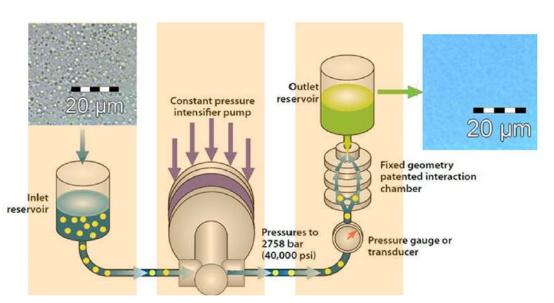
Figure 2 Schematic diagram of Nano Homogenizer
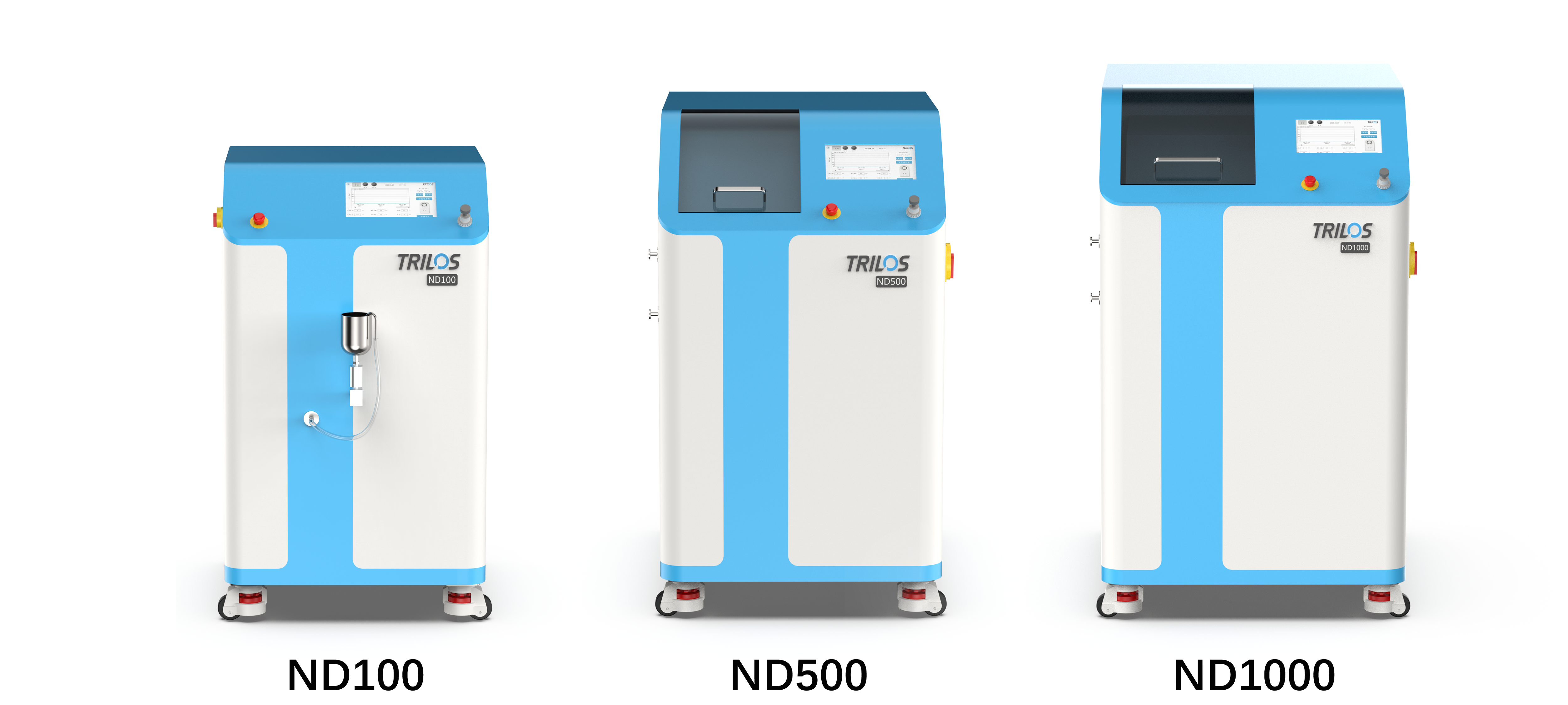
Figure 3 TRILOS Ultra-high Pressure Nano Homogenizer
2. Experimental Description:
First, the Ni-YSZ slurry is pre-dispersed using the JEIO TECH MSH-0512 overhead mixer. Then the TRILOS Nano Homogenizer is used to homogenize and disperse the samples and study the effect of different homogenization times on dispersion stability of slurries. LUMiSizer dispersion stability analyzer is used to test the stability of the samples. Microtrac S3500 laser particle size analyzer and Brookfield DV2T viscometer (L4 rotor, 20 RPM) are used to test the particle size and viscosity of the samples before and after homogenization, respectively.
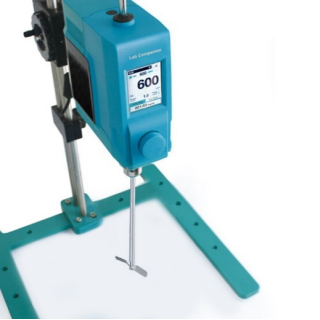
Figure 4 JEIO TECH MSH-0512 overhead mixer
3. Experimental Process and Test Results:
The Ni-YSZ slurry is processed 1 to 4 times at 1000 bar using the TRILOS Nano Homogenizer ND100.
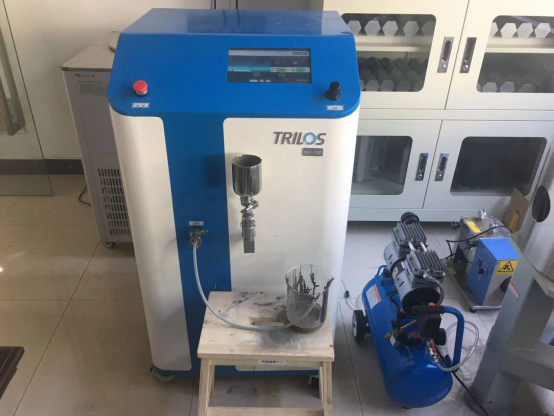
Figure 5. Processing of Ni-YSZ slurry with TRILOS Nano Homogenizer ND100
As the following table shows, after homogenization process, the viscosity of the samples increases, and the particle size shows a tendency to decrease first and then increase, which may be related to the increase in viscosity. Overall, the particle size of the samples after homogenization is smaller than that before homogenization, indicating that high-pressure homogenization is beneficial to the dispersion of particle agglomerates.
|
Process Times |
D10 Particle Size (mm) |
D50 Particle Size (mm) |
D90 Particle Size (mm) |
Viscosity (CP, Room Temperature) |
|
0 |
0.1930 |
0.467 |
2.424 |
1950 |
|
1 |
0.1720 |
0.349 |
0.919 |
2095 |
|
2 |
0.1750 |
0.388 |
2.057 |
2782 |
|
3 |
0.1720 |
0.415 |
2.640 |
2912 |
|
4 |
0.1740 |
0.414 |
2.116 |
3140 |
LUMiSizer dispersion stability analyzer is used to test the stability of the samples, and the results are shown in Figure 7.
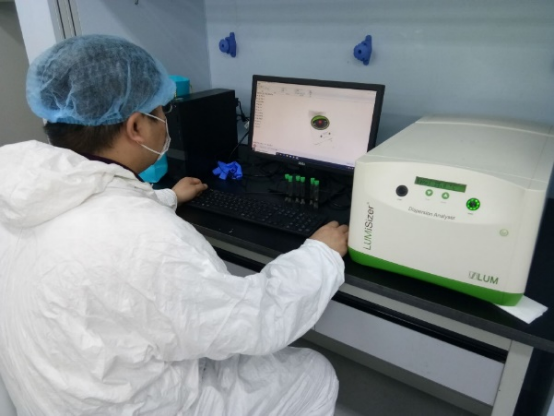
Figure 6 LUMiSizer stability analyzer (Test Conditions: 2828 RPM, 16 h, 25°C)
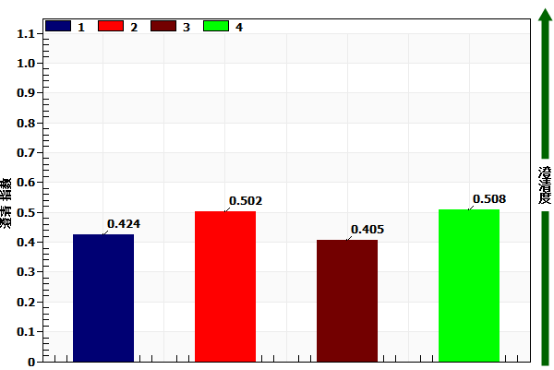
Figure 7 Comparison of Instability Indexes of Ni-YSZ Slurry After Homogenization
The STEP technology is used to quantitatively analyze the stability and obtain the "instability index" of each sample.
The smaller the instability index, the more stable the system. From the bar chart of the instability index of the Ni-YSZ slurry, it can be seen that in the whole experiment process, the order of instability of the samples is: 3 < 1 < 2 ≈ 4, and sample 3 is the most stable.
The Ni-YSZ slurry is tape-cast using the KEKO tape caster to produce green sheets. The green sheets are dried at 120°C for 0.5 h to obtain tape-cast sheets 1-D, 2-D, 3-D, and 4-D. As can be seen from Figure 8, there are cracks and particles on the surfaces of tape-cast sheets 1-D and 2-D; there are sporadic particles and bubbles on the surface of tape-cast sheet 3-D; and tape-cast sheet 4-D has no bubbles or particles and has good uniformity.
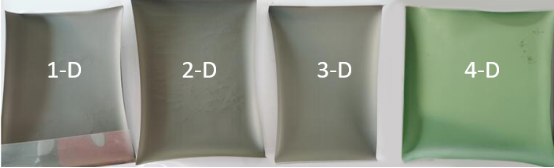
Figure 8 Tape-cast sheets after drying the Ni-YSZ slurry after homogenization process
The mechanical properties of tape-cast sheet 4-D and the tape-cast sheet prepared by the roll milling method are tested using a tensile testing machine. The results are shown in the following table. It can be seen from the table that in terms of maximum force and tensile strength, tape-cast sheet 4-D is about 6 times that of the tape-cast sheet prepared by the roll milling method, indicating that high-pressure homogenization can greatly improve the strength of the green sheet.
|
Sample number |
Maximum force (N) |
Tensile strength |
Thickness |
|
4-D |
67.57 |
9.77 |
0.46 |
|
Roll-milled sample |
11.04 |
1.63 |
0.45 |
Tape-cast sheet 4-D is placed in a high-temperature furnace for sintering to obtain a support sample 4-S. Figure 9 is a scanning electron microscope (SEM) image of the cross-section of support sample 4-S. It can be seen from the figure that the support sample 4-S has very good uniformity, indicating that high-pressure homogenization can effectively improve the uniformity of the support sample.
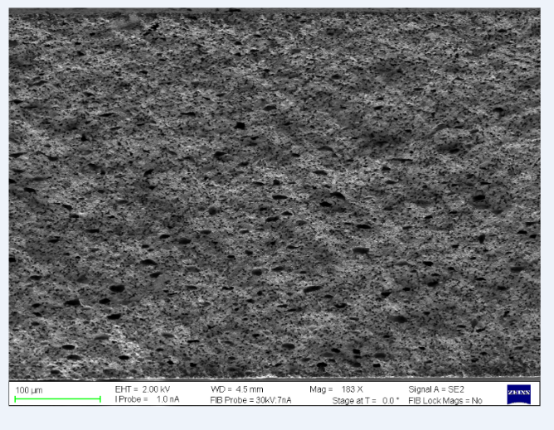
Figure 9 SEM image of support sample 4-S
Conclusion:
After being processed by the TRILOS Nano Homogenizer, the particle size of the Ni-YSZ slurry decreases. The tape-cast sheet 4-D obtains after tape-casting and drying the slurry has no bubbles or particles and has good uniformity. Subsequently, the tape-cast sheet 4-D is placed in a high-temperature furnace for sintering, and the obtained support sample 4-S has very good uniformity. In conclusion, compared with the traditional roll mill, the TRILOS Nano Homogenizer has high efficiency, and the treated slurry has no bubbles, and the tape-cast sheets after tape-casting and drying and the supports after sintering all have good uniformity.